Holidays in Kaliningrad: Königsberg, the Baltic, and a Summer of Festivals
People come here for two things at once: the Prussian heritage in the city centre and the Baltic beaches just an hour away. You'll see the 14th-century Gothic Cathedral with Kant's tomb, visit the villas of Amalienau, and tour seven surviving city gates. In summer, the city hosts the Kaliningrad City Jazz festival, Amber Day, and a Viking festival. Central Kaliningrad is compact: you can walk all the main sights in a single day.
Kant Island and the Fish Village: where to start day one
A walking route through the centre starts conveniently with Kant Island — a river island known as Kneiphof until 1946. Here stands the 14th-century Gothic Cathedral with a restored organ of 8,500 pipes. The tomb of Immanuel Kant sits against the northern wall — it was installed in 1804. An open-air sculpture park surrounds the cathedral, and daytime organ concerts are held inside every day.
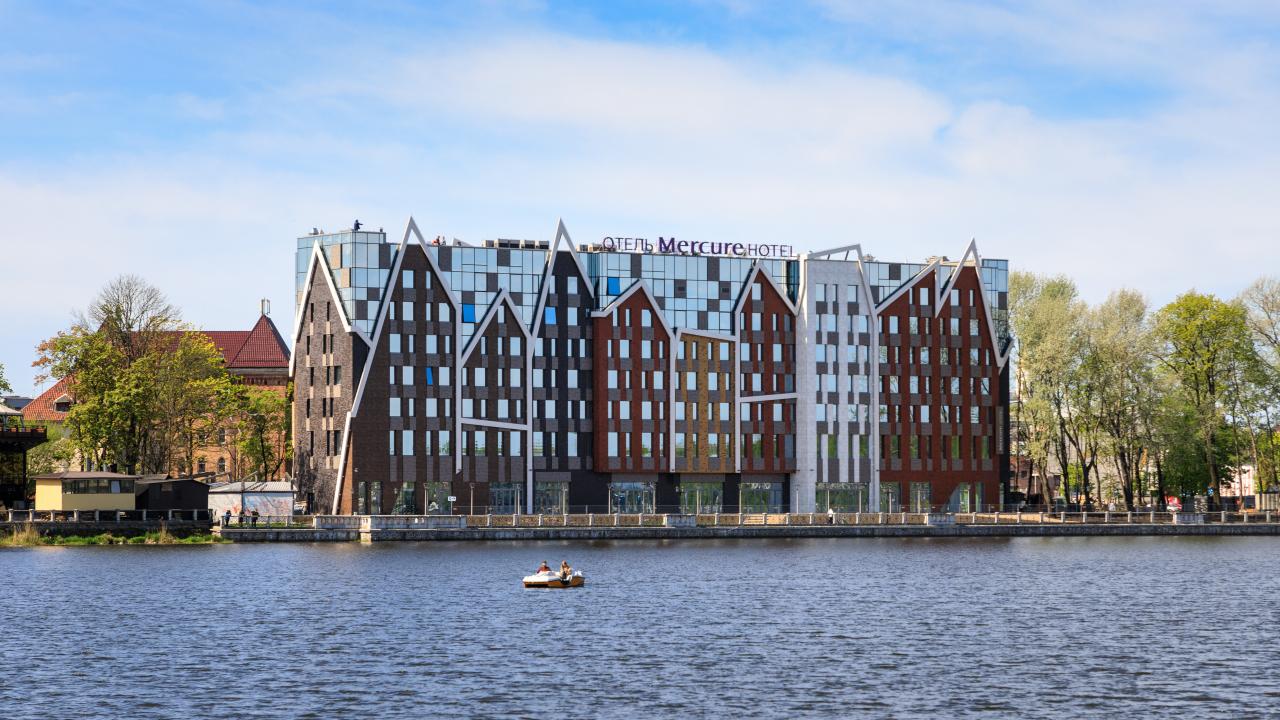
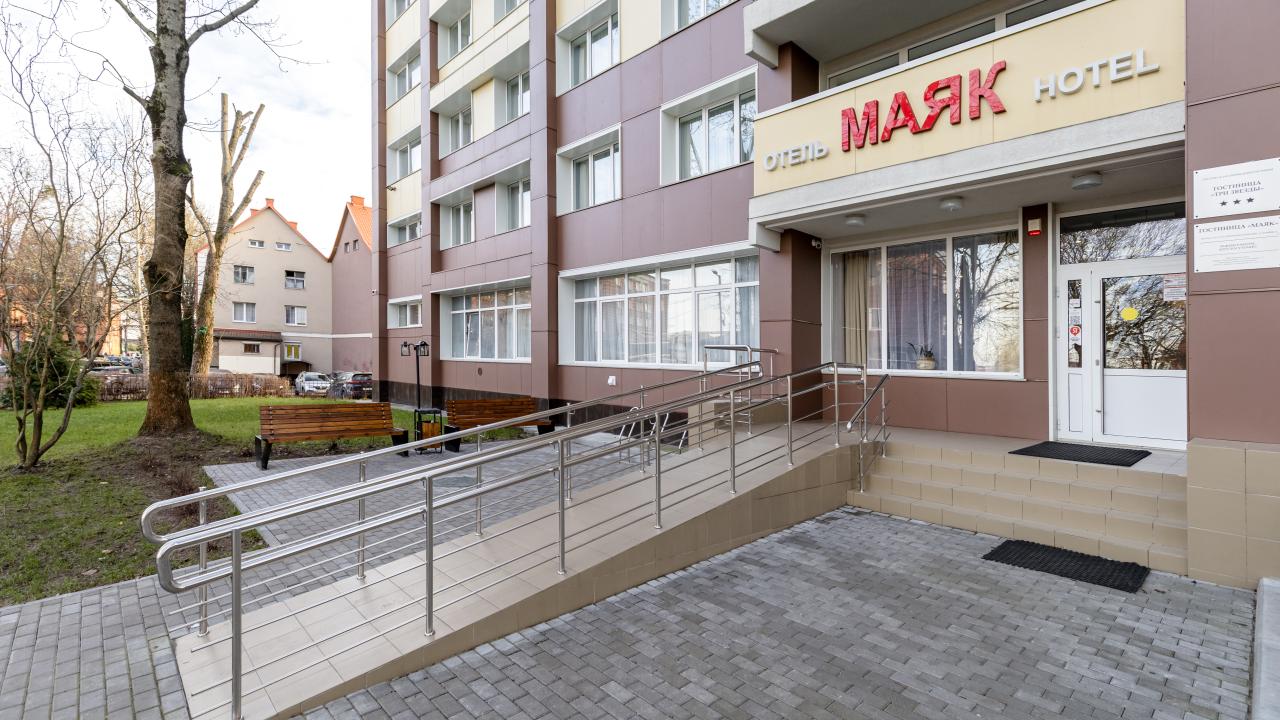
Cross the Jubilee Bridge and you’ll find yourself in the Fish Village — a tourist quarter built in the German style. The quarter was put up in 2006: it isn’t historical building stock but a modern pastiche. It does, however, conveniently link the island to the right bank of the Pregolya. You can climb the lighthouse viewing platform, and there are restaurants and small hotels nearby — for example, Mayak Hotel on Soldatskaya Street. People come back here in the evening to admire the lit-up cathedral and the river view.
Amalienau and Upper Pond: pre-war Königsberg on foot
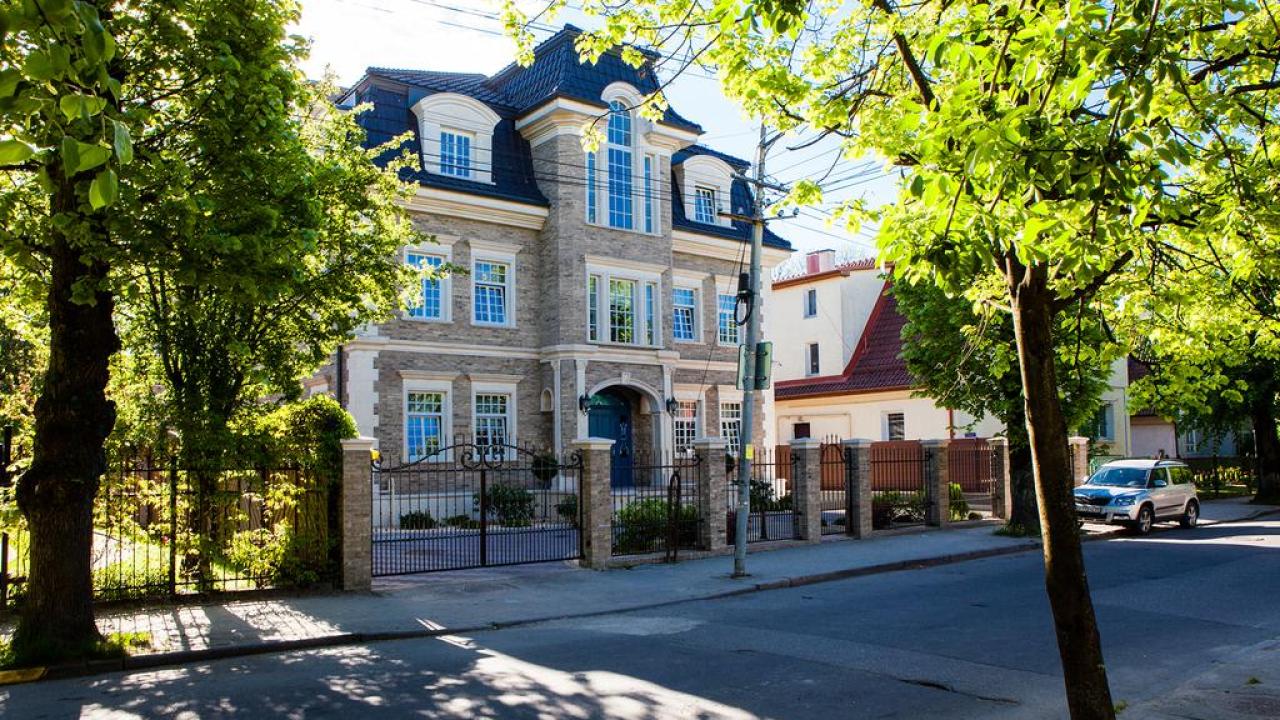
Amalienau is an old German suburb built up with Art Nouveau villas in the 1900s and 1910s. It’s the best district for a slow walk. The streets here are narrow — Kutuzova, Tchaikovsky, Kashtanovaya Alley — lined with industrialists’ mansions, with almost no tour groups. The chestnut trees bloom in May.
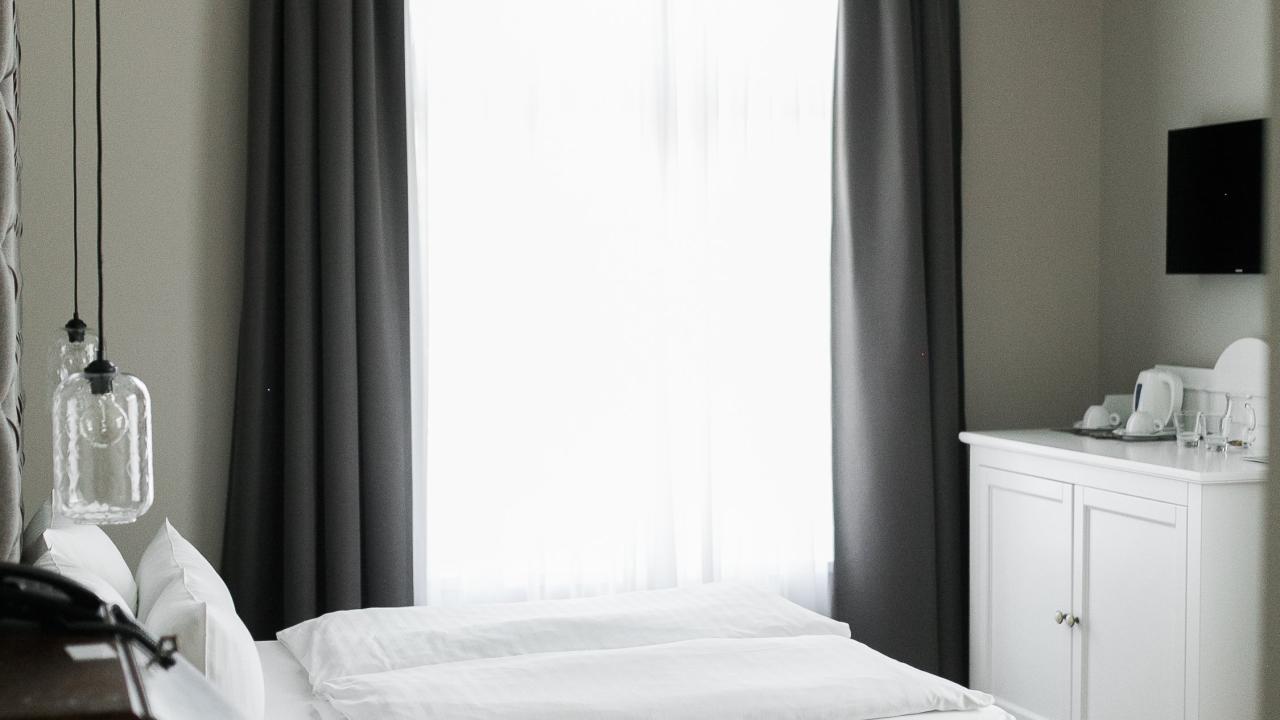
If you want to stay right in this quarter, take a look at Hotel Tchaikovsky at 43 Tchaikovsky Street. The hotel has a rating of 9.6, and the cathedral is a 25-minute walk away.
Just steps from Amalienau is Upper Pond, with embankments and swans. The Dohna Tower stands on its shore. Since 1979, it has housed the Amber Museum. The museum holds about 16,000 items: from Prussian jewellery to industrial samples. It also has the largest piece of amber in Russia — it weighs 4.3 kg.
The Kaliningrad region produces around 90% of the world’s amber. The museum traces its full journey from resin to a finished brooch.
Museum of the World Ocean, the gates, and the forts
The Museum of the World Ocean cluster sits on Peter the Great Embankment. It includes real ships rather than replicas: the B-413 submarine from 1968, the research vessel Vityaz, and the tracking ship Kosmonavt Viktor Patsayev. The researchers’ cabins are preserved on the Vityaz. Touring the cluster can take about half a day.
Of the seven surviving city gates, two or three are worth visiting. For example:
- Brandenburg Gate — the only gate that traffic still passes through. The Marzipan Museum is housed inside.
- King’s Gate — built in the neo-Gothic style and restored for the city’s 750th anniversary.
- Sackheim Gate — home to a gallery and a café.
Outside the city is Fort No. 5 “King Friedrich Wilhelm III”, built in 1878 — an open-air museum. The fort was taken by storm in April 1945.
If you’re travelling with children, be sure to drop by the zoo. It has been open since 1896, houses more than 2,500 animals, and still has pre-war buildings on its grounds.
The Baltic in a day: Svetlogorsk, Zelenogradsk, the Curonian Spit
Kaliningrad’s main advantage is the sea right next door. A commuter train runs from Severny Station: it takes about 45 minutes to Zelenogradsk and roughly an hour to Svetlogorsk.
Svetlogorsk has a cable car down to the beach and a promenade, while Zelenogradsk has Kurortny Avenue and the Cat Museum. Both towns have their own hotel base: Svetlogorsk has 52 hotels, Zelenogradsk 45.
The Curonian Spit is a narrow strip of sand 98 kilometres long, a UNESCO site. It begins past Zelenogradsk. You can get there by scheduled bus from Zelenogradsk or join an excursion group from Kaliningrad. The key stops include the Dancing Forest, the Efa Dune, and the Fringilla ornithological station.
The village of Yantarny (60 km away, with 13 hotels) is easier to reach by bus or taxi. The village has a Blue Flag beach and an open-pit amber quarry.
If you’re heading to the Spit — mind the entry fee
The Curonian Spit is a national park, and entry is paid: you have to pay a fee for both the person and the car. The ticket booths are at the barrier. Budget an hour for the drive from Zelenogradsk and another hour for a possible queue in high season.
When to go and how to get there
The climate is mild and maritime: summers aren’t hot, winters have no hard frosts, and the weather changes in any season.
High season is July and August, and not only because of the beaches. Several festivals will run in the summer of 2026:
- Kaliningrad City Jazz — 31 July to 2 August in Central Park (the milestone 20th edition);
- Amber Day — 21 July;
- Velikiy Kaup (a Viking-era festival) — 8–9 August.
In September and October, after the storms, fresh amber washes up on the Yantarny coast, and hotel prices come down. In winter, Christmas markets open in the Fish Village and organ concerts run in the Cathedral.
Kaliningrad is an exclave, cut off from the main part of Russia by Lithuania and Belarus. That’s why people most often arrive by plane.
Khrabrovo Airport (KGD) is 24 km from the city centre. The flight to Moscow takes about 2 hours, to Saint Petersburg roughly 1.5 hours. The 244E express bus runs from the airport to Yuzhny Station — the trip takes about 40 minutes.
The time zone is Europe/Kaliningrad (UTC+2), one hour behind Moscow. Keep this in mind when planning connections and tours.
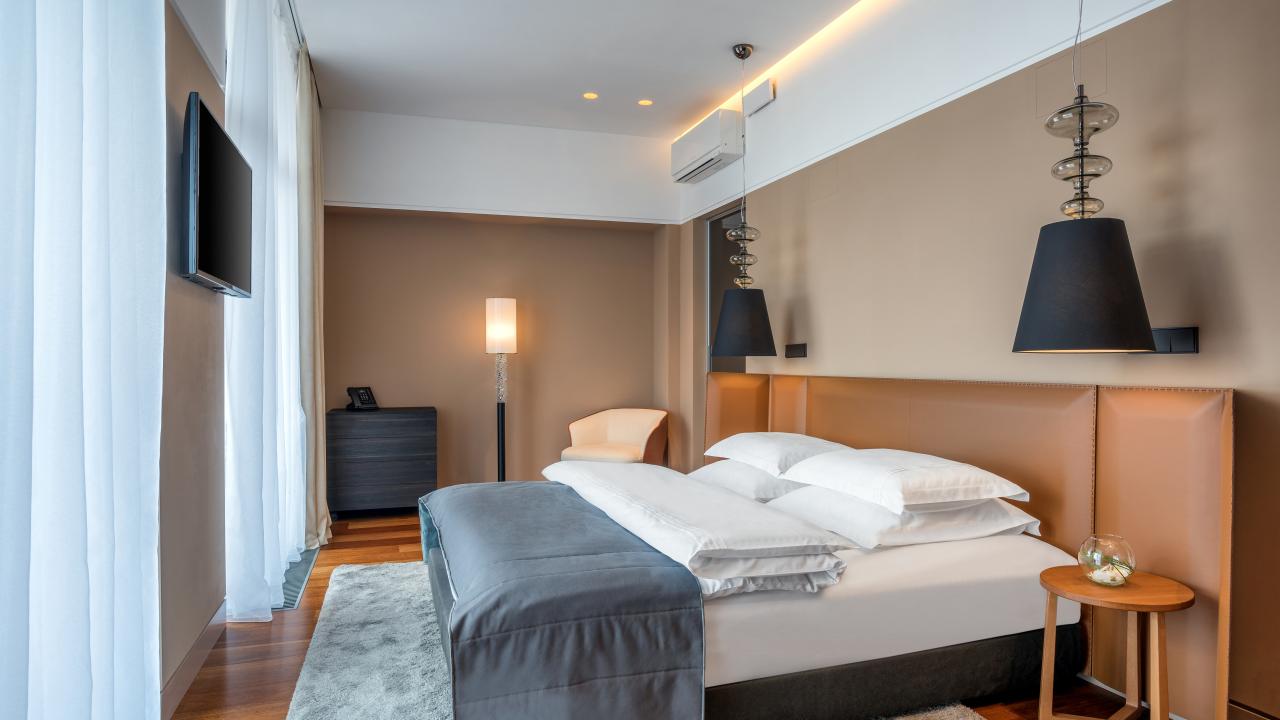
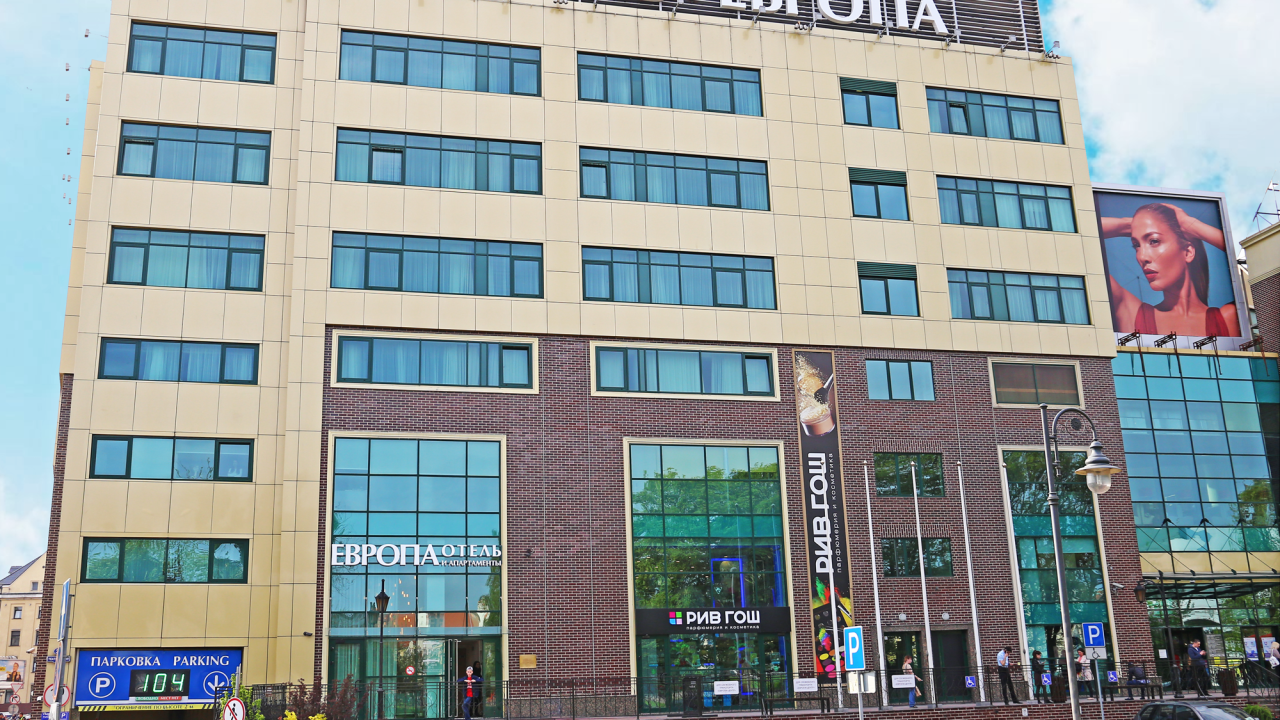
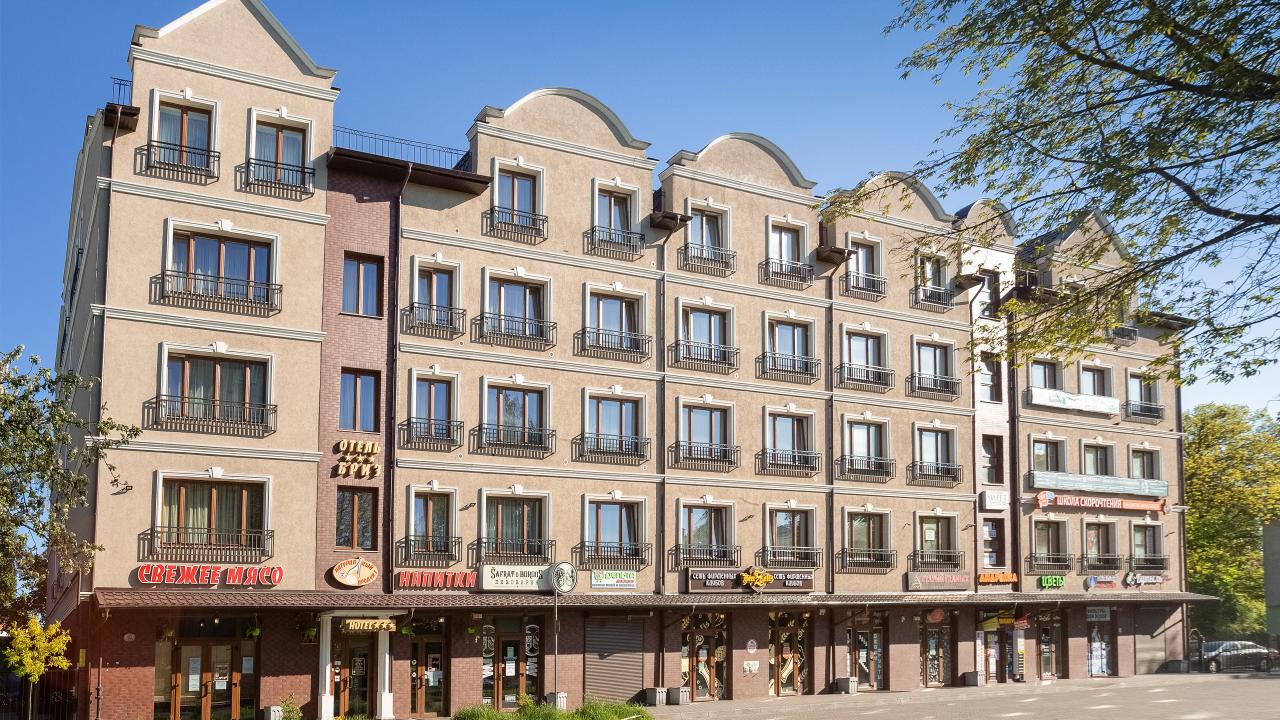
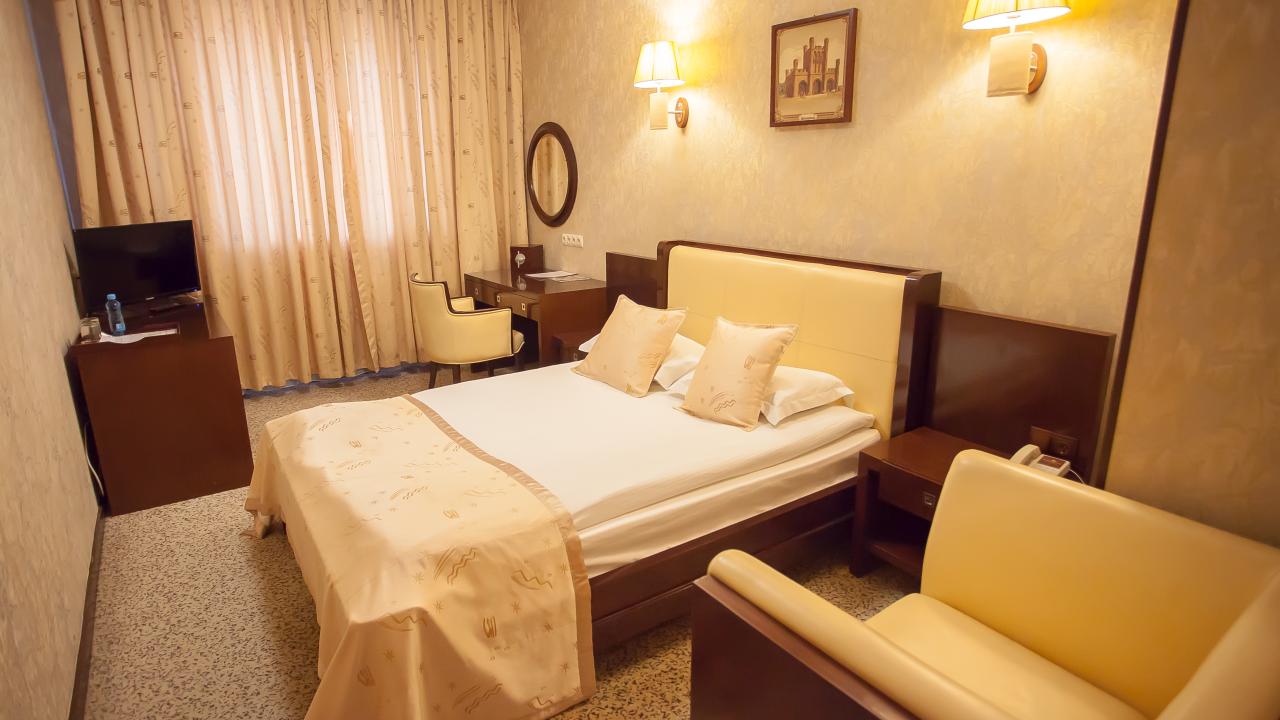
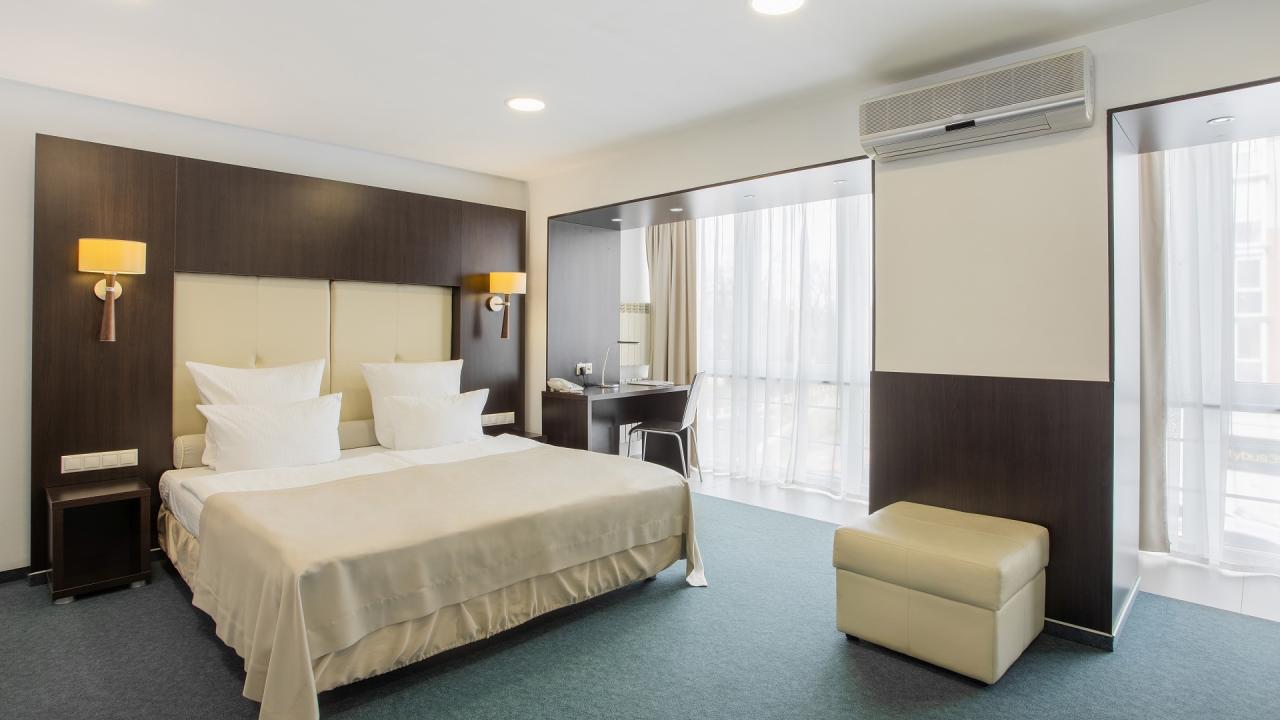
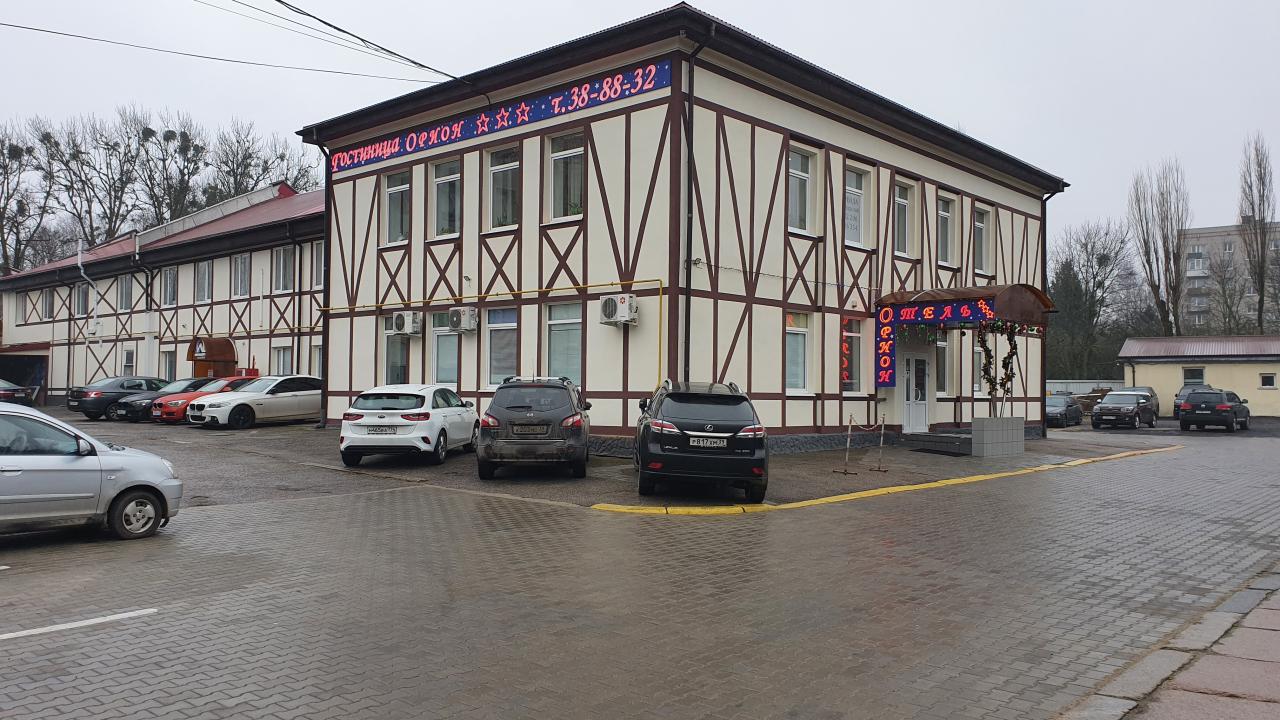
The city has 148 hotels: prices start at 5,500 ₽ a night at places like Briz and Orion, and the average room rate in the centre is 7,000–8,000 ₽. You can pick something for your dates in the Kaliningrad hotels catalogue on Moya Bron.
Поиск отеля
Найдите отель в Holidays in Kaliningrad: Königsberg, the Baltic, and a Summer of Festivals среди более 1600 вариантов: отсортируйте по параметрам, подходящим к вашей поездке
Popular places nearby
Popular hotels
Карта Holidays in Kaliningrad: Königsberg, the Baltic, and a Summer of Festivals
Frequently asked questions about Holidays in Kaliningrad: Königsberg, the Baltic, and a Summer of Festivals
You'll need two full days to see the city itself. On day one you can visit Kant Island, the Fish Village, and the Amber Museum. On day two — drop by the Museum of the World Ocean and walk through Amalienau. If you plan to head to the sea and the Curonian Spit, add another day or two.
First, take the commuter train from Severny Station to Zelenogradsk — the trip takes about 45 minutes. From there you can continue on the scheduled bus that runs along the Curonian Spit.
There's another option — buy a one-day excursion from Kaliningrad. It usually includes the transport and visits to the visitor centres along the route, but the entry to the national park has to be paid separately.
Several major festivals will take place in Kaliningrad in the summer of 2026:
- Kaliningrad City Jazz — 31 July to 2 August, in Central Park;
- Amber Day — 21 July;
- the Viking-era festival Velikiy Kaup — 8–9 August.
On top of that, the Fiery Sword 4.0 fire show is held in July, and the Koroche short film festival runs in the second half of August.
In Kaliningrad it's worth trying:
- Königsberger Klopse — meatballs in a white sauce with capers, a Prussian classic;
- smoked eel and Baltic fish — you can buy them at the Central Market;
- marzipan — pop by the Marzipan Museum at the Brandenburg Gate for it;
- bonito stroganina — served in the restaurants of the Fish Village.
Kaliningrad is in the Europe/Kaliningrad (UTC+2) time zone — it's one hour behind Moscow time. Keep this in mind when buying air tickets and planning transfers: the ticket shows local time, while relatives in Moscow will be calling based on theirs.