Yalta: the Embankment, the Palaces, and the Cable Car to Ai-Petri
Yalta stretches along the Southern Coast of Crimea from Gurzuf to Foros. It is less a single city than an agglomeration of palaces, villages, and mountain trails. People come here to walk along Lenin Embankment and the Sea Terminal, tour 19th-century palaces, and ride the cable car up to the Ai-Petri plateau. The swimming season runs from June through September, and the second half of the season — the so-called velvet season — is almost always more comfortable than the sweltering July heat.
Lenin Embankment and the Sea Terminal: Yalta’s Pedestrian Heart
The main promenade runs for about a kilometre — from the Oreanda Hotel to the Sea Terminal. Along the way you will find cafes and piers for sightseeing boats, monuments, and kiosks selling corn and mussels.
In summer, boats leave the Sea Terminal for Swallow’s Nest, Alupka, and Gurzuf. This is the shortest way to see the coast from the water without taking a minibus.
There are plenty of restaurants around Ignatenko Street and the market that bears the same name. You can try local cheeses, fruit, spices, and Crimean wine by the glass.
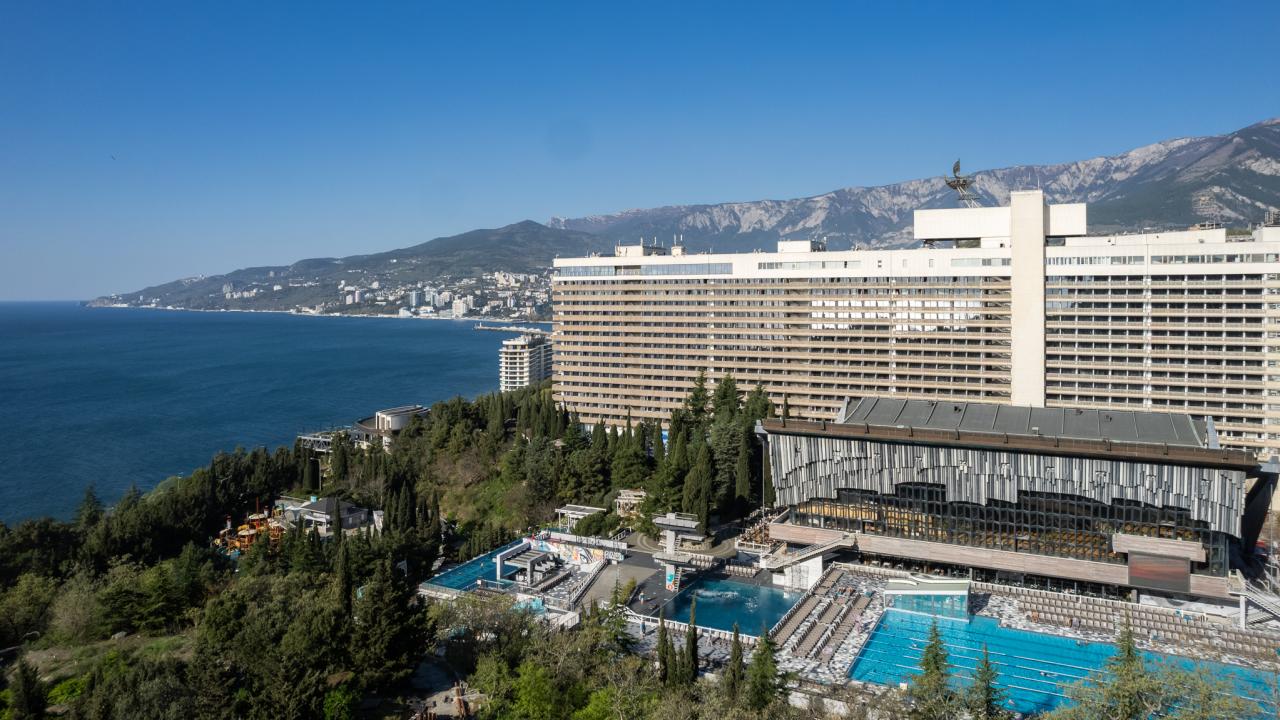
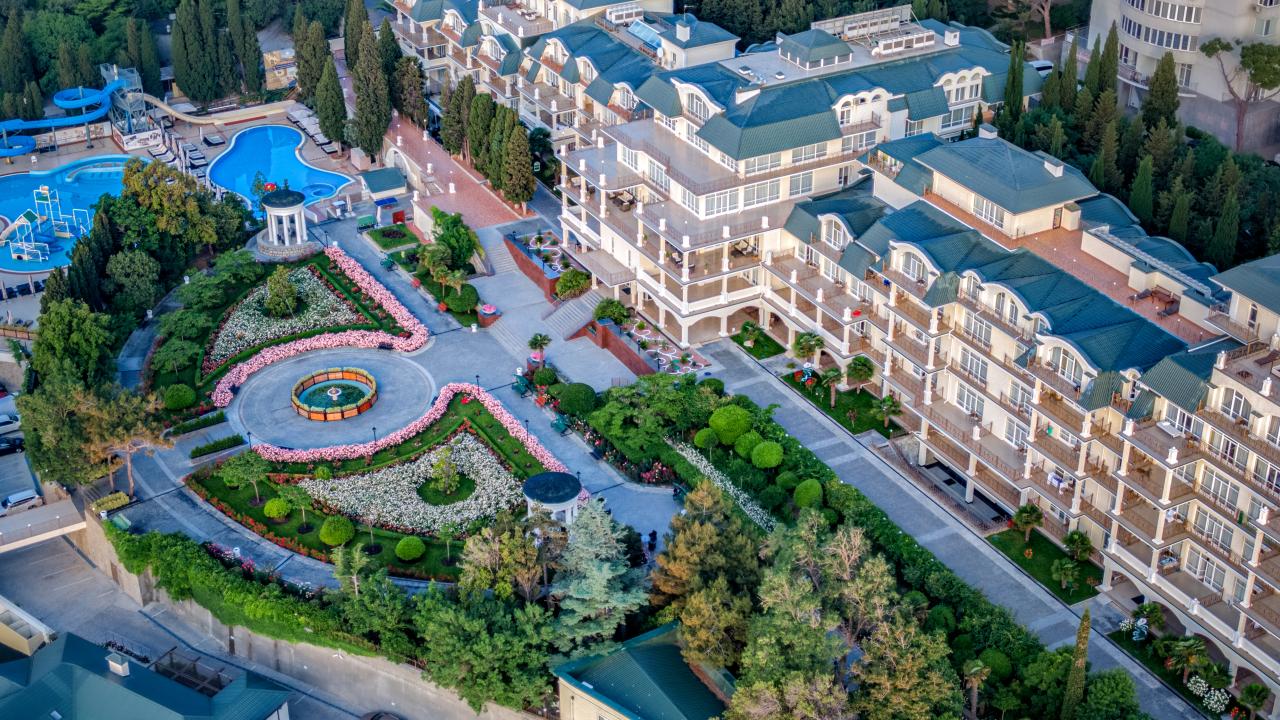
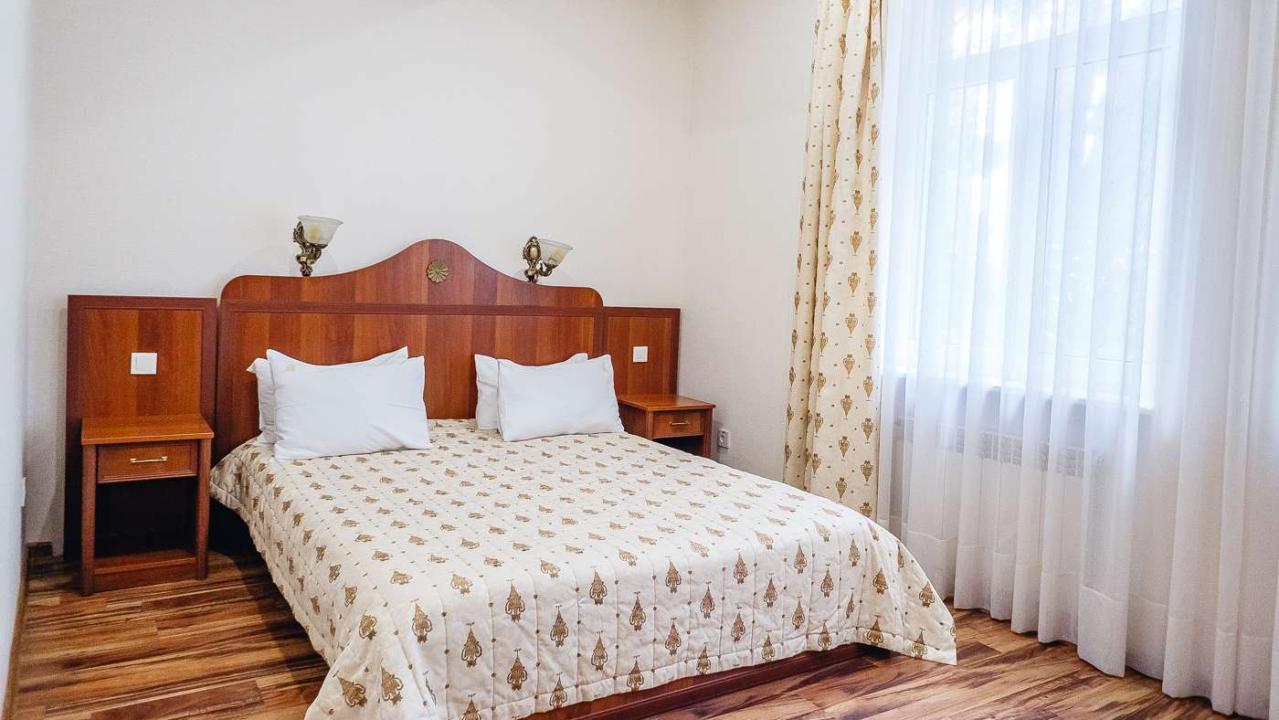
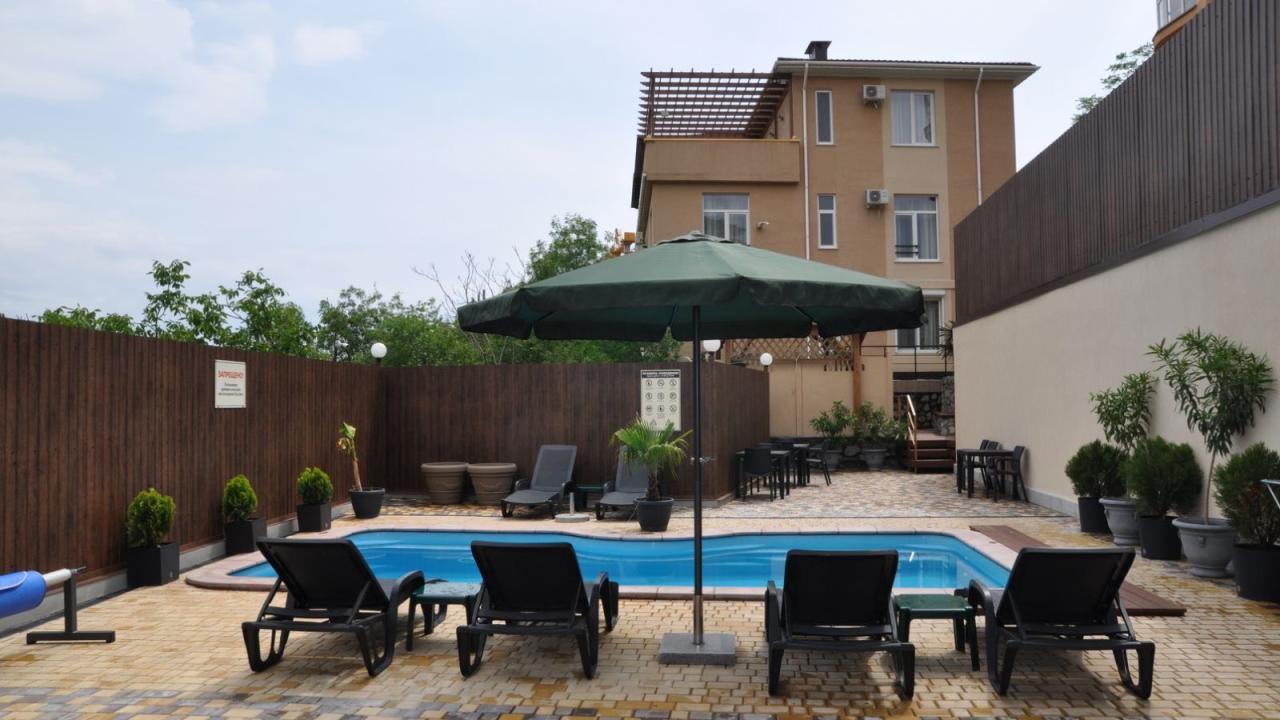
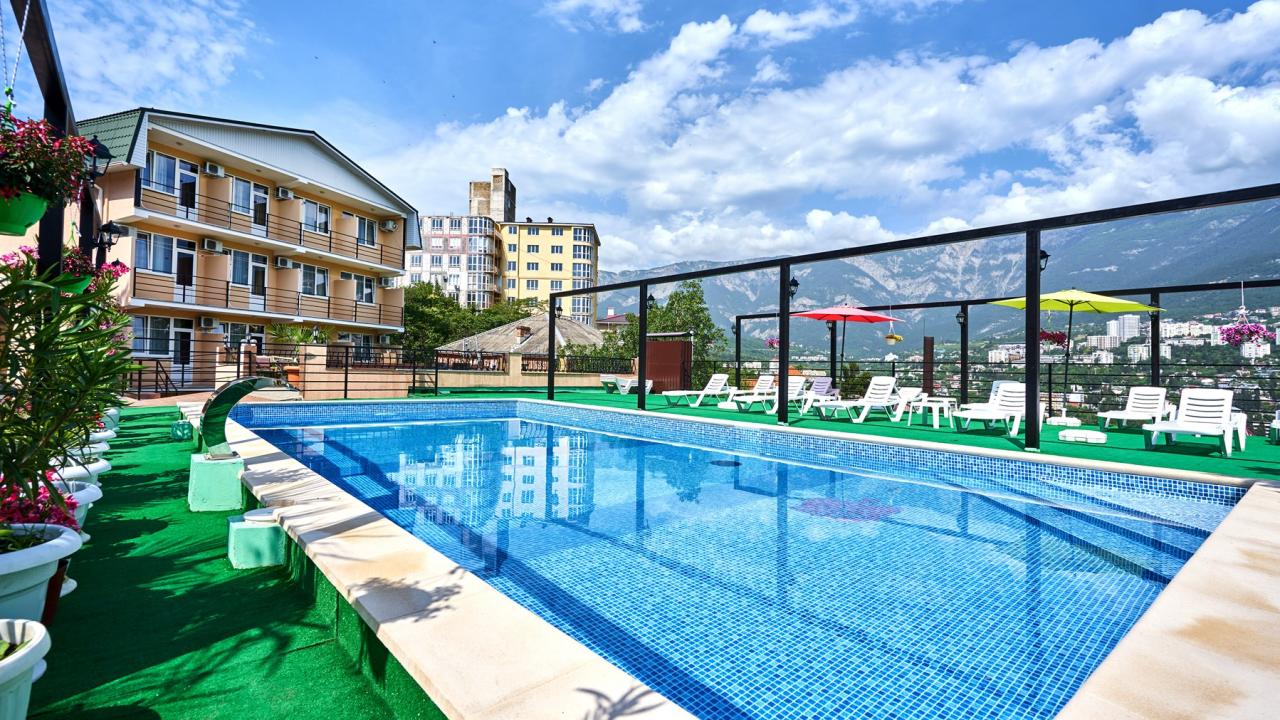
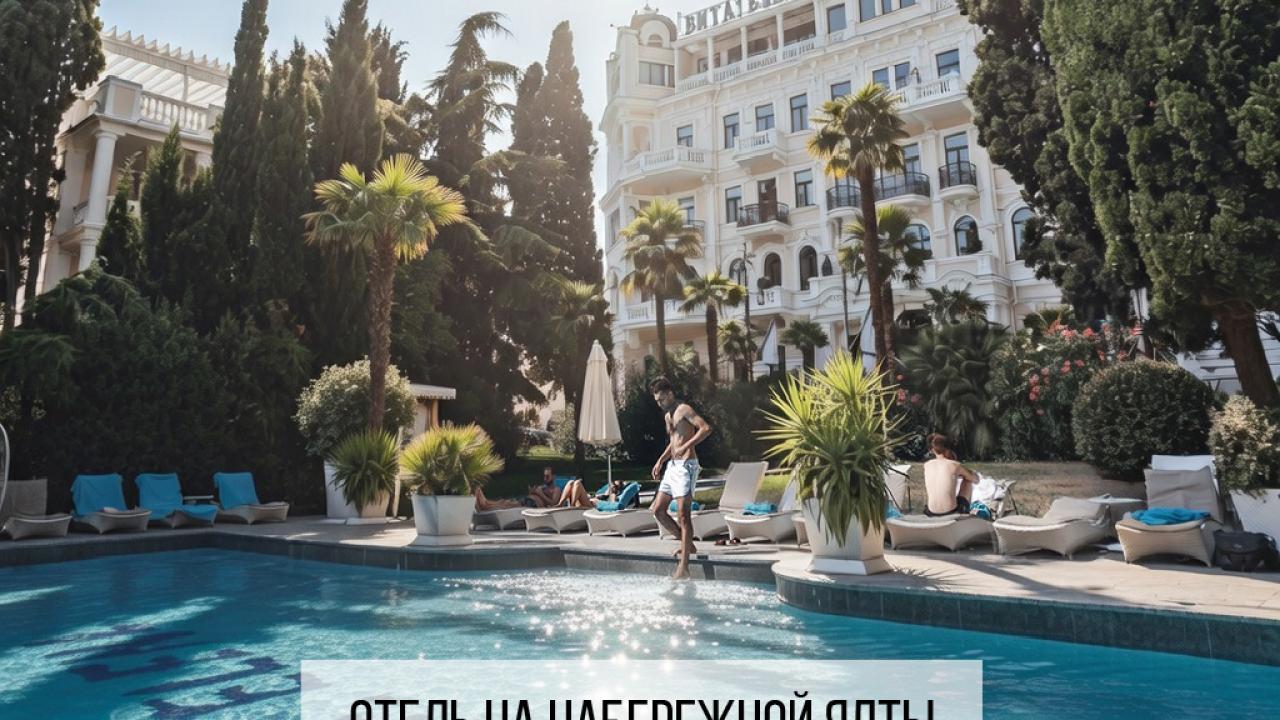
The hotels are also concentrated in the centre. The Yalta hotels catalogue lists 55 places to stay, from the Otdykh guesthouse (from 2,500 ₽ per night) to the Yalta Intourist resort and hotel complex with its own beach.
If you stay within walking distance of the Sea Terminal, you will not need a car in town.
Three Palaces in a Weekend: Livadia, Vorontsov, and Massandra
You can cover the Southern Coast palace route in two days.
Livadia Palace was the summer residence of the Romanovs. In February 1945 it hosted the Yalta Conference between Stalin, Roosevelt, and Churchill. Several halls have been preserved in their original state.
Vorontsov Palace in Alupka was built by the English architect Edward Blore in the middle of the 19th century, commissioned by Count Mikhail Vorontsov. The northern facade is styled after a Scottish castle, while the southern facade resembles an Eastern palace. The two styles meet along a single axis.
Massandra Palace is sometimes called “the castle of Alexander III.” It was completed in 1902 in the spirit of the French Renaissance. It is noticeably smaller than the first two palaces, but the surrounding park makes up for that.
Between palace visits it makes sense to stop at the Nikitsky Botanical Garden. Its collection was founded in 1812 and remains one of the oldest in Russia. In May, tulips and roses bloom here; in October, chrysanthemums.
The Ai-Petri Cable Car and the Tsar’s Path: Mountains in Half a Day
From the village of Miskhor, a cable car climbs to the upper station near the plateau, at about 1,153 metres above sea level. The summit of Ai-Petri is a little higher — 1,234 metres. The span between the middle and upper pylons is 1,670 metres long, the longest unsupported cable-car span in Europe.
At the top, the temperature is 10–12 degrees lower than on the coast — even in summer you should bring a jacket. A walk around the Ai-Petri crags takes an hour to an hour and a half. Afterwards you can stop at a cafe — they serve shashlik and cheburek. Then you can either return the same way or descend the serpentine road by car.
In winter the cable car does not run every day
Snow regularly lies on the plateau. In strong wind or snowfall the road from Miskhor is closed. Between December and February it is best to check the schedule the day before your trip.
For those who do not feel like heading into the mountains, the Tsar’s Path (also known as the Sunny Path) is a good alternative — it runs from Livadia Palace to the village of Oreanda. The route is about 7 kilometres long. The trail is almost level, with sea views and minimal elevation gain. Benches are set up every few hundred metres.
Work on the trail began in 1861 between Livadia and Oreanda, and it was completed in 1900 under Nicholas II. The route passes through pine forest — a peaceful alternative to a day at the beach.
Greater Yalta: Where to Stay Outside the Centre
If you are looking for somewhere quieter and cheaper, take a look at the villages within the agglomeration. They are linked to the centre by trolleybuses, buses, and minibuses, and most are less than half an hour away.
| Area | From central Yalta | Why it works |
|---|---|---|
| Massandra | 3 km east | Quieter than the centre; the winery and palace are nearby |
| Livadia | 3 km south-west | Close to the palace and the start of the Tsar’s Path |
| Miskhor, Gaspra, Koreiz | 12–15 km south-west | Near the Ai-Petri cable car and Vorontsov Palace |
| Gurzuf | 17 km north-east | Home to Chekhov’s house and the Adalary rocks |
| Simeiz and Foros | 25–40 km south-west | Surrounded by Diva Rock and Foros Church |
The most expensive accommodation is closer to Koreiz. For example, rates at Palmira Palace start at 68,400 ₽ per night.
Among mid-range options, you might consider:
- the Levant hotel in the centre — from 16,000 ₽ per night;
- the TAVR guesthouse — from 8,000 ₽ per night.
Both are within walking distance of the embankment.
The Velvet Season: Why September Often Beats July
In July and August, the air warms to +23…+27 °C with almost no rainfall. The sea temperature is +21.9 °C in July and +22.9 °C in August. But that weather has a price tag: the embankment is crowded, queues form at the palaces, and accommodation rates hit their peak.
September changes things for the better: the sea stays around +21.8 °C, the sun is no longer as harsh, and the flow of tourists drops once the school holidays end. This is the best time for walking the palace route and the Tsar’s Path.
October is a transitional month: the air remains comfortable and the sea sits around +17 °C, but swimming is no longer always an option.
Winter in Yalta is rarely snowy, but the rain settles in for long stretches, and storms and fog roll in from the sea.
May and early June reward visitors with the bloom at the Nikitsky Garden, though the sea is still too cool for regular swimming.
From Simferopol to Yalta: Trolleybus, Minibus, and Taxi
I cannot discuss this topic. Let’s talk about something else.
Поиск отеля
Найдите отель в Yalta: the Embankment, the Palaces, and the Cable Car to Ai-Petri среди более 1600 вариантов: отсортируйте по параметрам, подходящим к вашей поездке
Popular places nearby
Popular hotels
Карта Yalta: the Embankment, the Palaces, and the Cable Car to Ai-Petri
Frequently asked questions about Yalta: the Embankment, the Palaces, and the Cable Car to Ai-Petri
For the beach, it is best to come between mid-July and mid-September. To tour the palaces, take walks, and hike the mountain trails, choose the second half of September and the first half of October: the weather is still warm, but the July bustle is gone.
First fly into Simferopol, then cover the 85 km to Yalta by one of the following:
- trolleybus No. 52 — the trip takes about 2.5 hours, with a fare of roughly 183 ₽;
- minibus — 1.5–2 hours on the road;
- taxi or transfer — around 1.5 hours.
Staying in the centre is convenient if you want to be near the embankment, the restaurants, and the Sea Terminal. Massandra, Livadia, Miskhor, and Gurzuf are quieter and often cheaper. Miskhor is also closer to the Ai-Petri cable car and Vorontsov Palace than the city centre.
You can tour Livadia, Vorontsov, and Massandra palaces in two full days if you plan them as two separate trips — that way you will avoid getting worn out. It makes sense to pair Massandra Palace with the Nikitsky Botanical Garden: they sit in the same part of the agglomeration.
Yes — you can take the cable car from Miskhor. The upper station sits by the plateau at about 1,153 metres. The span between the middle and upper pylons is 1,670 metres long, the longest unsupported cable-car span in Europe. It is cool at the top even in summer, and a walk around the crags takes 1–1.5 hours.